

Watering your lawn is crucial for keeping it healthy and vibrant, but you can overdo it. Overwatering can be just as harmful as underwatering because your grass could become more susceptible to diseases, develop shallow roots, and even die if you give it too much water. Some signs of overwatering include squishy soil, standing water or runoff, yellowing grass, and fungal growth. If you notice any of these, you should stop watering and wait for the soil to dry before adjusting your irrigation schedule. Deep, infrequent watering is ideal, and if there's an issue with your irrigation system, you'll want to contact professionals in New Jersey, New York, or Connecticut for a repair. They can also help you adjust your watering schedule to your lawn's needs.
Why is overwatering your lawn harmful?
While watering your lawn is vital to keeping it healthy and lush, overwatering it can be harmful. Too much water can suffocate the roots of your grass, preventing them from getting the oxygen they need to survive. It can also cause the roots to become shallow and weak, which makes your lawn more susceptible to diseases and pests. Additionally, overwatering can lead to nutrient leaching, which means that the nutrients in the soil are washed away, leaving your grass without the essential elements it needs to grow and thrive.
What are some signs of overwatering your lawn?
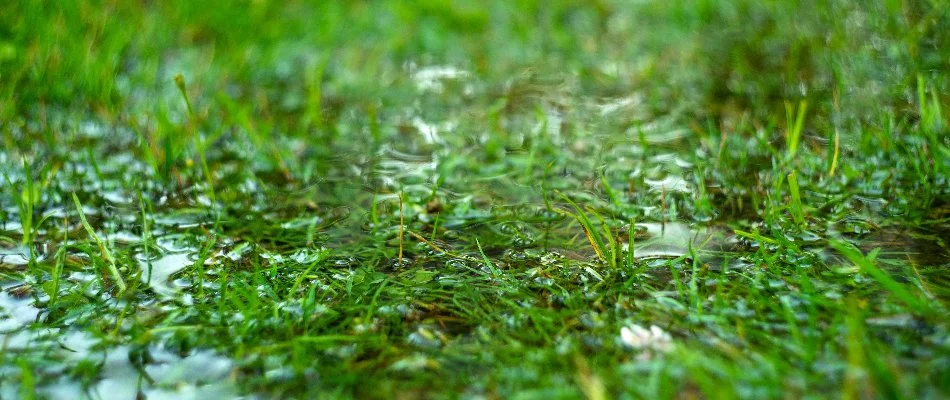
Several signs indicate that you may be overwatering your lawn. Here are some of the most common:
- Squishy Soil: If your lawn feels spongy or squishy when you walk on it, it could be a sign that it's waterlogged.
- Standing Water or Runoff: If you notice water pooling on your lawn or running off into the street, it's a sign that your lawn is getting too much water.
- Yellowing Grass: Overwatered grass can turn yellow or brown, as too much water can wash away essential nutrients.
- Fungal Growth: Overwatering can create the perfect environment for fungal diseases to thrive, leading to patchy, discolored grass.
What should you do if you notice signs of overwatering?
If you notice any of the above signs, you should take action to prevent further damage to your lawn. First, stop watering your lawn and wait for the soil to dry. This will allow the roots to get the oxygen they need and prevent further damage. Once the soil has dried out, you can adjust your irrigation system's watering schedule. Deep, infrequent watering is ideal, as it encourages deep root growth and helps your lawn become more drought-resistant. You should aim to water your lawn 2-3 times per week, giving it 1 to 1.5 inches of water per week.
If there's an issue with your irrigation system, such as a broken sprinkler head or a malfunctioning timer, you should contact professionals and schedule a repair. They can also help you adjust your watering schedule to your lawn's specific needs, considering factors such as soil type, grass type, and sun exposure.
Call us today to schedule our irrigation repair service!
If your irrigation system has an issue that keeps it from providing the right amount of water to your lawn, we can help. At Aquascape Irrigation, we offer an irrigation repair service to help you keep your lawn properly hydrated. Our team of experts will inspect your irrigation system and make any necessary repairs to ensure it's working efficiently. We'll also help you adjust your watering schedule to ensure your lawn gets the right amount of water it needs to thrive.
We offer our irrigation repair service to commercial and residential properties, as well as HOAs, in Bergen County, NJ, including Saddle River, Franklin Lakes, Upper Saddle River, Alpine, Woodcliff Lake, Ridgewood, and nearby areas. We also proudly serve properties in and around Tarrytown and Elmsford in Rockland County, NY, and Greenwich and Stamford in Fairfield County, CT. Give us a call today at (845) 353-6517 to schedule a repair for your irrigation system.

Comments (0)
Thanks for your comment!
Thanks for your feedback! Your comments have been successfully submitted! Please note, all comments require admin approval prior to display.
Error submitting comment!
There is a problem with your comment, please see below and try again.